
 By
By 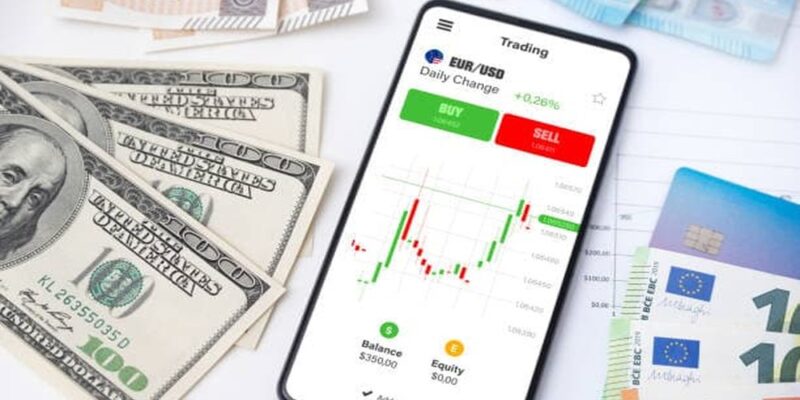
Forget everything you think you know about currency tracking and precious metals—this isn’t your dad’s stock ticker crawl. Scratch that, it’s not even your average finance blog. We’re talking about the Moroccan dirham against UAE dirham, a currency pair that quietly holds more drama than a soap opera, and silver prices in UAE, which have been acting like they’re on the world’s most unpredictable rollercoaster. Let’s start with the dirhams.
The Moroccan dirham against UAE dirham isn’t just a number on a screen, it’s the heartbeat of commerce between Casablanca and Dubai. If you’re sending money to buy Argan oil or planning a vacation in Marrakech, this exchange rate dictates whether you’ll have extra cash for a tagine or end up eating street food. Recently, this pair has seen some wobbles, thanks to global oil prices and Morocco’s agricultural exports. For instance, when the UAE dirham flexes its muscles—linked to the US dollar as it is—the Moroccan dirham against UAE dirham might shrink or stretch. Check the daily charts, it’s like watching two dancers with different rhythms. One day you think you’ve got a deal, and the next, the rate shifts like sand dunes.
Now, let’s talk shiny stuff. Silver prices in UAE (In Arabic, it is called “اسعار الفضة في الامارات“) have been hotter than a Dubai summer sidewalk. Jewelers in Deira and Gold Souk are buzzing not just about gold, but about silver’s newfound swagger. Silver prices in UAE are influenced by industrial demand, global inflation fears, and even solar panel production. Yes, you read that right: silver isn’t just for necklaces anymore, it’s powering green tech. Last week, silver prices in UAE jumped like a startled cat after some central bank chatter about interest rates. If you’re a trader, you’d better watch those grams, if you’re a shopper, maybe wait for a dip—but don’t blink, because silver prices in UAE move fast.
Back to the currency game. The Moroccan dirham against UAE dirham (In Arabic, it is called “الدرهم المغربي مقابل الاماراتي“) doesn’t get the headlines that EUR/USD does, but it’s a nuanced beast. Morocco’s central bank likes to keep the dirham in a managed float, while the UAE dirham is basically a dollar clone. This mismatch creates some fascinating arbitrage opportunities. For example, when the Moroccan dirham against UAE dirham weakens, Moroccan exports to the UAE get cheaper, which means more dates and textiles fly over. But when it strengthens, UAE tourists flood Marrakech. It’s a tiny tug-of-war that affects real lives, from spice traders to hotel managers.
Meanwhile, silver prices in UAE are giving gold a run for its money. Silver prices in UAE have been creeping up as investors look for alternatives to overpriced stocks and bonds. The UAE’s tax-free environment makes it a hub for precious metals, and silver prices in UAE reflect that global interest. You’ll find that silver prices in UAE often spike around wedding season (lots of silver jewelry) and during Ramadan (gift-giving). And here’s a kicker: silver prices in UAE are also tied to bitcoin’s mood swings. Yeah, weird, right? When crypto drops, silver prices in UAE often rise as people seek tangible assets.
Let’s dive deeper into the Moroccan dirham against UAE dirham. This pair is particularly sensitive to tourism numbers. When the UAE relaxes visa rules for Moroccans, the Moroccan dirham against UAE dirham often sees a mini-boom as more people exchange money. But also, oil prices play a role. Since the UAE is an oil exporter, a spike in crude usually strengthens the UAE dirham, making the Moroccan dirham against UAE dirham look weaker. Simple math, messy reality. If you’re tracking this pair, you need to watch global energy reports, Moroccan phosphate exports, and even the weather in Agadir.
And silver prices in UAE? They’re not just for investors in Armani suits. Silver prices in UAE affect everything from electronics manufacturing in Abu Dhabi to the cost of silverware in local restaurants. Silver prices in UAE have been oscillating between 2.50 and 3.20 AED per gram in 2025, depending on the day. That’s a wide swing for a metal often seen as gold’s little brother. Silver prices in UAE might be influenced by Indian weddings, because UAE imports a ton of silver from India for processing. So when Diwali approaches, silver prices in UAE typically climb.
What’s the real takeaway if you’re a casual reader? The Moroccan dirham against UAE dirham and silver prices in UAE are intertwined in ways you wouldn’t guess. A weak silver market can actually boost the Moroccan dirham against UAE dirham if Moroccans start buying more silver from the UAE, because that increases demand for UAE dirham to settle transactions. Conversely, a strong silver rally might drain liquidity from the dirham pair. It’s a strange dance where metals and currencies hold hands.
Let’s talk about timing. The best moment to catch the Moroccan dirham against UAE dirham is during overlapping business hours—say, 10 AM in Rabat and noon in Dubai. That’s when banks and forex brokers are active. For silver prices in UAE, the market never sleeps, but you get the best quoted price between Sunday evening and Thursday afternoon, when the Dubai Gold and Commodities Exchange is open. Check the Markets.com links, they update live data for both the Moroccan dirham against UAE dirham and silver prices in UAE.
One more thing about silver: physical silver in UAE is often cheaper than paper silver. If you’re buying coins or bars, silver prices in UAE might have a premium of 5–15% over spot. That’s normal. But if you’re trading ETFs, silver prices in UAE reflect the underlying futures, which can be more volatile. Either way, silver prices in UAE are a great hedge against the dollar-pegged dirham. Because while the Moroccan dirham against UAE dirham fluctuates modestly, silver prices in UAE can leap 3% in a single day if a central bank sneezes.
Wrap your head around this: the Moroccan dirham against UAE dirham is not just a currency pair, it’s a cultural bridge. A stronger Moroccan dirham against UAE dirham means more Moroccans can afford to study in Dubai. A weaker rate means more UAE firms invest in Casablanca’s tech scene. And through it all, silver prices in UAE act as a barometer of broader economic anxiety. When silver prices in UAE are high, people are nervous. When they’re low, everyone’s splurging on gadgets.
So, whether you’re a traveler, an investor, or just curious about how markets move, keep an eye on the Moroccan dirham against UAE dirham and silver prices in UAE. They’re not the biggest game in town, but they’re the most interesting. And next time you see a silver necklace in a Dubai shop, think about the 436 grams of industrial history and the quiet rivalry between two North African and Gulf currencies that make that price tag possible. The numbers don’t lie, they just tell stories.







Comments