
 By
By 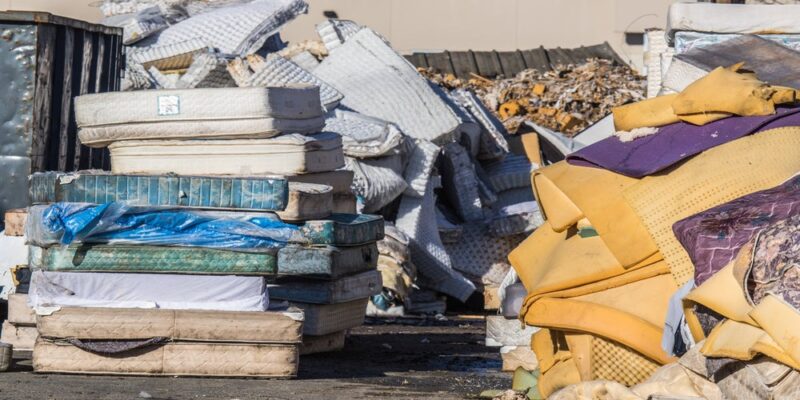
A single discarded mattress may seem insignificant, but in reality, these bulky sleep surfaces are quietly wreaking havoc on landfills and the environment. The solution is not as simple as hauling your old mattress to the curb, and the smarter path is both greener and easier than most people expect.
Mattress Disposal Is Just Trash: Why Recycling Matters More Than You Think
Dumping an old mattress might feel like clearing clutter, but the environmental cost is substantial. Mattresses are designed to last, and in landfills, they stubbornly resist breakdown for decades. Each year, hundreds of thousands end up buried under mountains of garbage, slowly leaching chemicals and taking up precious space.
The Environmental Cost of Mattresses in Landfills
Consider this: In Canada alone, nearly 400,000 mattresses are recycled annually, but that number pales compared to how many still end up in dumps. A landfill mattress can release hazardous flame retardants and synthetic foams, creating ongoing risks to soil and water. Worse, the sheer bulk of each mattress means just a few can fill a landfill truck, dramatically accelerating landfill overcapacity.
How Mattress Components Can Be Reclaimed
Recycling turns this problem into an opportunity. Mattresses contain steel, foam, wood, and textiles, most of which can be reclaimed and reused. Recycled steel becomes new foundations, foam gets repurposed for carpet padding, and fibers find new life in insulation. This circular approach closes the waste loop, conserving resources and preventing pollution.
Recycling Mattresses Is Too Complicated and Expensive
The myth that mattress recycling is a hassle or a costly endeavor is fading as modern recycling programs ramp up.
Modern Recycling Processes That Simplify Disposal
Gone are the days of endless phone calls or confusing drop-off schedules. Today, companies have streamlined the process, offering curbside pickups or easy drop-off points. For example, services like Recyc-Matelas mattress removal make recycling accessible to anyone by handling logistics for you.
Cost-Effective Solutions and Incentives for Consumers
Many municipalities and recycling firms offer incentives or reduced fees for mattress recycling, knowing the communal value it brings. Compared to landfill dumping fees, recycling is often cheaper and helps avoid illegal dumping penalties.
Donating Old Mattresses Isn’t Safe or Hygienic
While donating sounds noble, used mattresses can harbor bed bugs, bacteria, and allergens. Most charities and shelters reject mattress donations for these health and safety concerns.
How Recycling Ensures Mattresses Are Properly Sanitized
Recycling centers use specialized equipment to dismantle, sanitize, and process each mattress, ensuring hazardous or contaminated materials are handled according to strict standards. This protects both people and the planet in ways that simple donation cannot.
Safe Donation Alternatives and Their Limitations
Some local programs accept scarcely used mattresses, but strict hygiene requirements mean most end up disqualified. If your mattress is gently used and you find a willing organization, it can be a solution, but recycling remains the safer, more reliable route.
Mattress Recycling Is Only Available in Limited Areas
A few years ago, mattress recycling was rare. Today, infrastructure is catching up, especially in Canada.
Growing Recycling Infrastructure in Canada and Beyond
Between Quebec and Ontario, more than 400,000 mattresses are recycled yearly. France leads globally, recycling a staggering one million units annually. Programs and drop-off points are expanding as governments and private companies invest in greener waste management.
How to Locate Recycling Programs Near You
Municipal waste websites, major recycling companies, and dedicated removal services offer online tools to help you find the nearest mattress recycling outlet. Some services even provide door-to-door pickups, making responsible disposal more convenient than ever.
Mattress Disposal Has No Impact on Climate Change
It is easy to think one old mattress makes no difference, but the carbon footprint tells a different story.
The Carbon Footprint of Mattress Waste
Transporting, landfilling, and decomposing a mattress emits greenhouse gases. Multiply this by hundreds of thousands, and the environmental impact quickly adds up.
How Recycling Reduces Greenhouse Gas Emissions
Every recycled mattress means less methane emitted from landfills and fewer new raw materials extracted for manufacturing. This reduction in emissions is a quiet but powerful way to fight climate change while managing waste responsibly.
DIY Mattress Disposal Is Just as Good as Professional Services
Trying to break down a mattress yourself is not only physically demanding but also potentially hazardous.
Risks and Realities of DIY Disposal
Mattress springs are sharp, foams can release dust and chemicals, and local ordinances may prohibit curbside disposal. Improper handling may result in fines or leave you with a bigger mess than you started with.
Benefits of Using Certified Recycling Companies
Certified recyclers ensure that every component is handled safely and recycled properly. They manage logistics, comply with all regulations, and keep you out of trouble with local authorities.
Choosing Smart Disposal Options Saves You Money
The surprise for many is that making the environmentally responsible choice can also pad your wallet.
Financial Incentives and Rebates for Recycling Mattresses
Some regions offer rebates, reduced fees, or even tax credits for mattress recycling. Avoiding illegal dumping fees or hefty landfill charges adds up to real savings.
Long-Term Savings from Responsible Disposal Choices
Proper disposal means fewer municipal cleanups, lower waste management costs for everyone, and a reduced environmental burden that pays dividends for future generations. In the end, choosing smart mattress disposal truly saves both money and the planet.








Comments