
 By
By 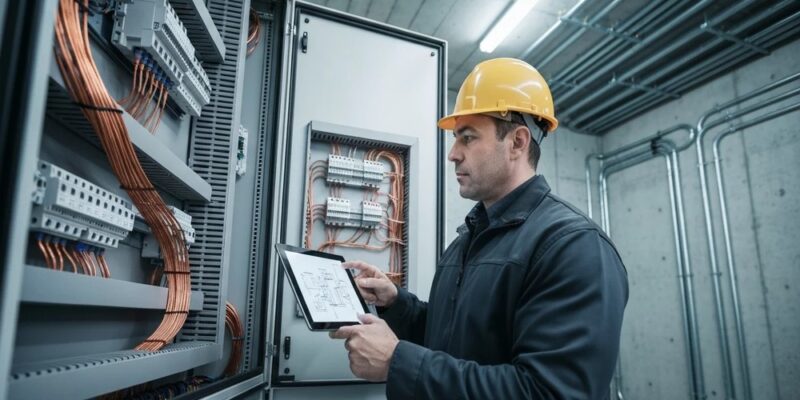
High temperature cables are specially designed electrical cables built to perform reliably in environments where standard wiring would quickly fail. These cables are commonly used in industries that operate under extreme heat conditions, including steel manufacturing, power plants, automotive production, aerospace systems, mining facilities, and industrial processing equipment. Choosing the right high temperature cable is essential for maintaining safety, operational efficiency, and long-term equipment performance.
Unlike conventional cables, high temperature cables are manufactured with advanced insulation and jacket materials that can tolerate continuous exposure to elevated temperatures. Common materials include silicone rubber, fiberglass, PTFE, mica tape, and fluoropolymer compounds. These materials help prevent insulation breakdown, cracking, melting, or electrical failure when exposed to intense heat, chemicals, or harsh industrial conditions.
One of the major advantages of High temperature cable guide is their ability to maintain stable electrical performance even in demanding applications. In factories and industrial plants, equipment often operates near furnaces, boilers, turbines, and heavy machinery that generate excessive heat. Standard cables may deteriorate rapidly in such environments, leading to downtime and costly repairs. High temperature cables reduce these risks by providing better thermal resistance and improved durability.
There are several types of high temperature cables available for different industrial needs. Silicone insulated cables are flexible and commonly used in heating equipment and appliances. PTFE cables provide excellent resistance to chemicals and extremely high temperatures, making them ideal for aerospace and military applications. Fiberglass braided cables offer additional mechanical protection and are widely used in industrial ovens and motors.
When selecting a high temperature cable, it is important to consider operating temperature ratings, voltage requirements, environmental exposure, and flexibility needs. Some cables are rated for continuous temperatures above 200°C, while others can handle short-term heat spikes reaching much higher levels. Proper cable sizing and installation also play a critical role in maintaining safety and performance.
High temperature cables are also valued for their fire-resistant properties. Many industrial safety standards require cables that can continue functioning during fire exposure to support emergency systems and critical operations. Flame-retardant and low-smoke designs help improve workplace safety and reduce hazards during electrical failures.
As industrial environments become more demanding, the importance of reliable heat-resistant cabling continues to grow. Investing in the correct high temperature cable not only protects equipment and workers but also improves operational reliability and reduces maintenance costs. Whether used in manufacturing plants, energy facilities, or heavy-duty machinery, high temperature cables remain an essential solution for modern industrial electrical systems.







Comments