
 By
By 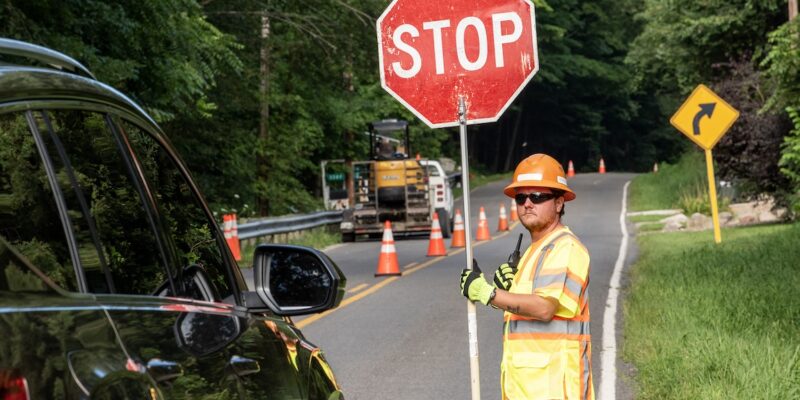
A stalled commute, confused drivers, and frustrated crews, anyone who’s worked on a road project knows that traffic control can make or break the job. But should you depend on a flagging crew to guide vehicles one by one, or does a custom traffic control plan offer more? The answer depends on more than your project’s length or lane count.
Early Methods of Traffic Control on Road Projects
Long before digital dashboards and GPS, traffic control meant little more than a worker in a reflective vest with a flag. The flagging crew was the face of safety, standing right at the edge of moving vehicles, often exposed to unpredictable conditions.
Traditional Use of Flagging Crews
Flagging crews have always been the go-to solution for single-lane closures or short-term maintenance. Their job is hands-on, signaling cars to stop, slow, or go, and adapting instantly to traffic flow. It’s flexible, reliable for basic tasks, and doesn’t require detailed paperwork.
Basic Traffic Control Plans and Their Initial Role
Early traffic control plans consisted of simple, often generic diagrams. These plans satisfied basic regulatory demands but rarely addressed site-specific risks or complex flows. Most municipalities accepted standard templates as long as some visible measures were in place.
Advancements in Traffic Control Planning
Complex projects, increased urban congestion, and stricter safety rules have transformed traffic management. No longer can a one-size-fits-all plan or a lone flagger suffice.
Emergence of Detailed Traffic Control Plans
Today, site-specific plans are standard for permits and municipal approvals. Each plan is tailored, mapping exact lane closures, detours, signage, and equipment placement. This level of detail not only improves safety but also speeds up permit approval, since municipalities know what to expect.
Integration of Municipal Requirements and Permits
Modern projects require more than a reference to OTM Book 7. Municipalities often demand custom layouts that anticipate unique site hazards and traffic behaviors. A well-prepared plan simplifies the permitting process and prevents costly project delays.
Role of Technology in Designing Traffic Plans
Software has changed the game, allowing planners to simulate traffic patterns, visualize detours, and quickly update plans as conditions shift. This means smoother execution and less confusion for both workers and drivers.
Flagging Crews: Strengths and Limitations
Flagging crews still have their place, but their effectiveness depends on how and where they’re used.
Situations Best Suited for Flagging Crews
Short-duration lane closures, emergency work, or rural projects with low traffic volumes are where flagging crews shine. Their on-the-fly decision-making can handle surprises that no paper plan predicts.
Challenges of Manual Traffic Direction
However, relying solely on human direction introduces risk. Fatigue, distraction, and miscommunication can lead to dangerous mistakes. In high-traffic or complex zones, manual flagging is rarely enough.
Safety and Efficiency Considerations
While flaggers protect workers from passing vehicles, their own exposure is a concern. Efficient coordination with signage and barriers boosts both safety and flow, especially in challenging environments.
Modern Traffic Control Plans: Features and Benefits
Detailed plans are now the backbone of safe, efficient roadwork in busy settings.
Custom Site-Specific Plans for Complex Projects
Major roadwork, urban construction, or large events demand traffic plans that account for every variable. Custom designs minimize confusion and maximize throughput, keeping both vehicles and workers out of harm’s way.
Managing Lane Closures, Median Diversions, and Special Events
Whether it’s a full median diversion during bridge repairs or lane closures for a parade, a tailored plan ensures that every participant knows their role. Special events, in particular, require flexibility and coordination that generic plans can’t deliver.
Compliance with Regulatory Standards (e.g., OTM Book 7)
Meeting standards isn’t just about ticking boxes: it’s about ensuring consistency, accountability, and legal compliance. Adhering to OTM Book 7 helps avoid fines and keeps projects on schedule.
Equipment and Resource Support in Traffic Management
Even the best plan or crew needs solid equipment behind it.
Availability and Importance of Professional-Grade Rentals
From barriers and cones to advanced signage, professional-grade rentals guarantee reliability. Having the right gear on site enhances safety, ensures compliance, and keeps projects running without delays due to missing or faulty equipment.
How Equipment Enhances Both Flagging and Traffic Control Plans
Quality equipment supports flaggers and brings traffic plans to life. Barriers, portable signals, and clear signage mean fewer misunderstandings and a lower risk of incident.
Choosing Between Flagging Crews and Traffic Control Plans
How do you decide which approach fits your project?
| Factor | Flagging Crews | Traffic Control Plans |
|———————–|———————————|————————————|
| Best for | Short, simple closures | Long, complex, multi-lane projects |
| Real-time adjustment | High | Moderate (with updates possible) |
| Setup time | Quick | Longer (planning, approvals) |
| Compliance | Basic | Comprehensive |
| Cost | Lower for quick jobs | Costly upfront, but scalable |
| Safety | Depends on crew, higher risk | Consistent, lower personal risk |
Project Size, Scope, and Complexity Factors
Small, short-term jobs may not warrant a full traffic plan, while major urban projects almost always require one. Complexity increases the need for detailed planning.
Cost Implications and Resource Allocation
Flaggers are less expensive for a few hours’ work, but the cost, and risk, rises as projects grow. Plans require upfront investment, but reduce incidents, delays, and unplanned overtime.
Safety and Traffic Flow Impact
While flagging is agile, it is inherently riskier and less effective for heavy or unpredictable traffic. Customized plans mean fewer surprises and smoother operations.
Future Trends in Traffic Control for Road Projects
The industry doesn’t stand still. Automation, smart sensors, and hybrid models are reshaping the landscape.
Increasing Automation and Smart Traffic Management
Automated portable signals, connected warning signs, and sensor-based systems are replacing manual methods. These technologies keep workers out of harm’s way and improve flow.
Evolving Municipal Regulations and Permit Requirements
Municipalities are demanding more detail and adaptability. Expect growing scrutiny, especially in urban areas.
Potential for Hybrid Approaches Combining Both Methods
The future may blend real-time flagging with dynamic, tech-enhanced plans, offering the agility of humans and the consistency of automation.
Making the Right Decision for Your Road Project
Assess your site, timeline, risks, and regulatory pressures before choosing a method. Consulting with specialists can uncover hazards and solutions you might overlook. Experts suggest that partnering with Salus Traffic Control services can help tailor the right approach for your project’s unique challenges.
Ultimately, the safest and most efficient roadwork balances human expertise with thorough planning. Your project’s success, and everyone’s safety, depends on making an informed, proactive choice.











Comments